
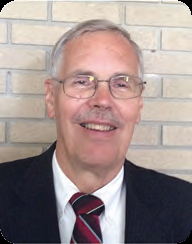
Rev. Slopsema is pastor of Hope Protestant Reformed Church in Walker, Michigan. This meditation is an abbreviated version of the pre-synodical sermon preached June 6, 1994.
. . . the house of God, which is the church of the living God, the pillar and ground of the truth.
This epistle was written by Paul to Timothy, whom Paul had installed as minister in the church of Ephesus.
In chapters 2 and 3 Paul sets down certain regulations for the life and workings of the church. Directions are given for the public worship of the church. Qualifications for elders and deacons are also given.
Paul concludes this section by indicating that he hopes to come to Timothy more quickly than first anticipated. Yet, he says, he may be delayed. So he writes all these things in order that Timothy might know how he is to behave himself in the house of God, which is the church of the living God, the pillar and ground of the truth.
The church of the living God is the pillar and ground of the truth.
What an amazing reality!
Let the 1994 Synod do its work in the realization of this reality.
And let the 1994 Synod take decisions that promote and not hinder the Protestant Reformed Churches in their glorious capacity as pillar and ground of the truth.
The church of the living God is the pillar and ground of the truth.
Notice that God, here, is identified as the living God.
This means, first, that He is the true God.
Timothy labored in Ephesus, a city given over to idolatry. The idol gods of Ephesus were not. They had no real being. They existed only in the superstitious minds of the Ephesians.
Over against these idols is the true God, who has life and being. The life God lives is a covenant life. God is triune. He is three persons living in the one divine Being. As such He enjoys an eternal life of friendship and fellowship within Himself. He is the living God.
That God is the living God means also that He is the source of life. As Creator of the heavens and the earth, He is the source of all physical life. As Savior He is the source of a higher, spiritual life. God has eternally chosen to Himself a people, with whom He will share His own divine covenant life. He accomplishes this through His Son Jesus Christ, who rescues His people from their sins, reconciles them to God, transforms them into the very image of God, and thus draws them into the wonderful life of God’s friendship and fellowship.
When Paul speaks to Timothy of the truth, he has in mind this truth concerning the living God.
This truth is revealed dimly in creation. This truth is revealed more clearly and fully in Holy Scripture. The church serves as the pillar and ground of this truth.
Pillar and ground call to mind a building or a temple. In such a structure there are pillars. These pillars rest on a foundation, translated here as “ground.” Because the pillars rest upon a sure foundation, the roof is upheld securely.
By calling the church the pillar upheld securely and ground of the truth, the holy Scriptures indicate that the church serves to uphold the truth. Even as a roof is securely upheld by the pillar and foundation, so is the truth securely upheld by the church of the living God.
The church upholds the truth as pillar and ground in a number of ways.
First, she does this by proclaiming the truth. God has given the truth to the church and charged her to proclaim it to the nations. This she has done down through the ages. In this way she has served as pillar and ground of the truth.
Secondly, the church upholds the truth by defending the truth over against the lie of the devil. Throughout history the truth has been attacked repeatedly. It is the calling of the church, to which God has given the truth, to defend the truth over against every heresy out of hell. When the church is faithful to her calling, she serves thus as pillar and ground of the truth.
Thirdly, the church upholds the truth by developing it. The truth concerning the living God as revealed in Holy Writ is an infinite deep. The more we study it the more we realize there are depths of the truth that we have not yet begun to plumb. It is the task of the church to mine from the Scriptures’ the infinite riches of the truth so that there is a continual development in the understanding of it. As she does this she serves as pillar and ground of the truth.
Finally, the church upholds the truth by preserving it for future generations. She does this by expressing in her creeds the truth she has come to develop. She also does this by teaching the truth to each new generation. When she does this, the church serves as pillar and ground of the truth.
The church is the ground and pillar of the truth exactly because she is the church of the living God and thus the house of God.
The word “church” in the original means “called out.” The church therefore is the gathering of those called out, or simply the called out ones.
The call here is the saving, efficacious call of God to faith and salvation. In a sense, God calls all men through the preaching to faith and salvation in Jesus Christ. In this sense many are called but few are chosen. For the most part that call falls on deaf ears. However, when that call comes to the ear of the elect it is made effective through the irresistible operation of the Holy Spirit, so that the elect believe on the Lord Jesus Christ, turn to Him, and are saved. It is in this latter sense that the call is used here. The church is the gathering or number of those effectively called out of the darkness of unbelief into the light of faith and salvation in Jesus Christ.
For that reason the church is also the house of God.
The house of God is the place where God dwells.
In the Old Testament God’s house was the tabernacle, and later the temple. There God symbolically dwelt with His people in covenant friendship.
The real house of God, however, is the church. And the church can be and is the house of God exactly because she is the church, the number of those called out. God cannot live in covenant fellowship with just anyone. He certainly cannot live with the ungodly who dwell in darkness. He can live only with those whom He has called out, those who have passed from darkness into the light of salvation, and who in the power of their calling live as the saints of God. In them and with them alone does God live. Hence, the church is the house of God.
That the church is the pillar and ground of the truth implies that God gave the truth to the church for her to uphold. God did not give the truth to the state, to some business organization, to the United Nations, or the United Way. He gave it to the church to uphold.
He did this because the truth has been realized in the church. The heart of the truth is that God establishes His covenant with His people in Jesus Christ. The church is the number of those who belong to this covenant, in whose lives the truth has been realized. It is appropriate that this truth be given only to them to uphold.
That the church is the pillar and ground of the truth also implies that the truth is securely upheld by the church. We have noticed that by speaking of the pillar and ground of the truth, the text emphasizes the idea of stability and strength. A roof upheld by pillars that rest on a foundation is securely held. By calling the church the pillar and ground of the truth, the Word of God emphasizes that the truth is securely upheld by the church.
The reason for this is exactly because she is the church of the living God. The church is the number of those called out by the Word and Spirit, those who taste the covenant joys of salvation. For that reason the church has the desire to uphold the truth. She also has the ability to uphold the truth. This ability is found in the Spirit of truth that has been given to her. And by the working of this same Spirit the church most definitely will uphold the truth.
This is true of no secular institution. The church alone is, by the grace of God, the pillar and ground of the truth.
All this must be kept in mind by the Synod as she does her work.
Synod will take decisions that will greatly affect the ability of the Protestant Reformed Churches to act as pillar and ground of the truth.
Thankfully there is at Synod this year no doctrinal controversy that threatens the churches. Nevertheless, decisions will be taken concerning our mission work, the training of men for the gospel ministry in our Seminary, official ties with other churches and denominations, opening our pulpits to those outside our churches while still protecting the integrity of those pulpits, etc. These decisions will affect very much our ability as churches to serve as pillar and ground of the truth.
In all its work and decisions Synod must seek to promote the ability of our churches to serve as pillar and ground of the truth.
Many churches have ceased to be pillar and ground of the truth. They no longer uphold the truth but have significantly compromised it. Some even champion the lie. To the degree that this is true, they cease to be the church. For upholding the truth as pillar and ground belongs to the essence of the church.
God forbid that the same happen to the Protestant Reformed Churches.
Let the Synod then take decisions that serve and not hinder our churches in their important work of upholding the truth.
To that end let the Synod, in all her decision-making, keep before her the truth of God’s Word, as well as the established order God has ordained for the churches in her worship and in her ministry.
Then Synod will be a great blessing to our churches in her calling to serve as pillar and ground of the truth.

