
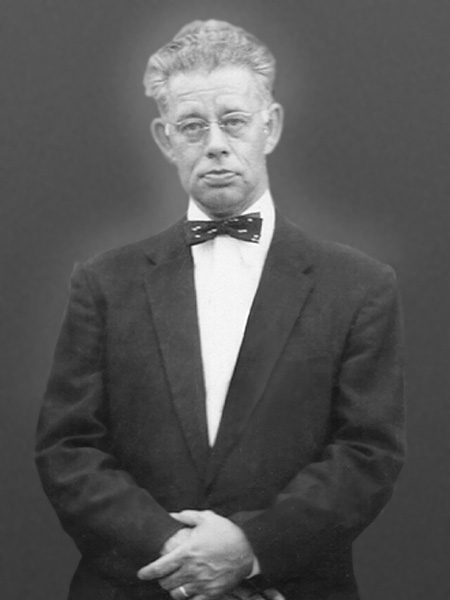
Rev. Heys is a minister emeritus in the Protestant Reformed Churches.
That which is preached in some churches, is written in some books or magazines, and is sung in church services and programs, may be scriptural, comforting, and encouraging. But the fact is that a very important element of our salvation, which is clearly and repeatedly presented in Scripture, is very seldom preached in the sermon, and is rarely written in books or sung in church services or programs.
Salvation brings us some wonderful blessings. Thus, for example, in Romans 8 we read of many blessings which God has prepared for us, through His Son. Paul in this chapter begins with the comforting truth that there is for us no condemnation, for we are free from the law of sin and death. The sufferings of this present time are not worthy to be compared with the glory that shall be revealed in us. All things work together for our good, so that in all things we are more than conquerors. And neither death nor life, angels nor principalities or powers, things present nor things to come shall be able to separate us from the love of God that is upon us, and realized by Christ Jesus our Lord.
Take note also of the fact that Psalms 145 through 150, the last five Psalms, begin with the words, “Praise ye the Lord.” These Psalms give us reasons why we can and should praise God.
However, what we must not brush aside into the background, and fail to rejoice in and to thank God for, is presented in Scripture throughout, from Genesis through Revelation, namely, that God blesses us by causing us to love Him. That is a basic and very important element of our salvation. Let us take note then of what our God Himself taught already the day when Adam and Eve committed their first and awful sin. What our God said to Satan was: “And I will put enmity between thee and the woman, and between thy seed and her seed; and it shall bruise thy head, and thou shalt bruise his heel.”
Now that God will put enmity between Satan and Eve means that He is going to begin salvation in her, and will do that in all His elect. Eve will hate Satan, because God will restore in her a love of Himself. When Eve and her elect seed received that gift of love of God, they began to hate Satan. We cannot love both and serve both. With our old man of sin we will love Satan and all that which he presents to us. But according to our new man in Christ, which He begins in us, we will love God. That is a most important element of our salvation. That is the fundamental gift of God’s grace unto His people.
Salvation is not merely, or in the first place, deliverance from our physical pain and suffering. Our God will cause that to happen, so that we can walk in love toward Him. But if all we want, and all that interests us, is deliverance from physical pain and suffering, we really do not want the salvation that God promises His elect, and has prepared for them through His Son and His cross. Remember once again that the unbeliever who commits suicide because he wants deliverance from pain and disappointment, rather than being saved from the misery or grief, enters instead into a far more terrible and everlasting pain in hell! He has in his life turned away from God, and behaved as though he himself is a god.
Take note also of the fact that Christ Jesus our Savior taught us in Matthew 5:5, “Blessed are they which do hunger and thirst after righteousness, for they shall be filled.” Now to hunger after righteousness is to desire to become deeply and spiritually right in God’s sight. We must not merely hunger and thirst after freedom from the punishment for which our sin calls. The deepest and most important element of our salvation is that of being caused and made able to love God, and to serve Him in that love. If we merely want deliverance from punishment, then we actually do not want the salvation which God has prepared for us through His Son in our flesh.
Now, that God will put enmity between Satan and Eve means that God is going to begin salvation in Eve. She will hate Satan, because God will return His love of Himself to her. And when Eve is by God’s grace brought back to that love of God, Satan is going to hate her. It always is either-or. We love God or we hate Him. We love Satan or we hate him. By a spiritual love of God we hate Satan, because that love comes by the rebirth which God realizes in His grace. We, as the elected seed of the reborn Eve, have that blessed, fundamental gift of love from God and for Him. In that love we will be very interested in thankfulness for that gift of love from God, and for Him.
The question is, then, whether we believe that God is good, and that we want to serve Him in love, and do not simply want escape from punishment which God sends upon those who hate Him. It reveals that He does love us, and has begun salvation in us. Can we every day ask ourselves, “What does God want me to do?” Can we with David say what our God wrote through him in Psalm 27:4? There we have that awesome statement: “One thing have I desired of the Lord, that will I seek after; that I may dwell in the house of the Lord all the days of my life, to behold the beauty of the Lord, and to enquire in his temple.” And what about what we find in Psalm 34:8? There we read this statement: “O taste and see that the Lord is good: blessed is the man that trusteth in him.” He who believes that God is good will love Him and trust in Him, and make no complaint for what He caused to take place. He will not blame God for what happens and hurts physically. Trusting in God he will say that all is well, and due to a good work of God.
So beautiful was the grace of God, when he caused David to be sorry for his adultery and murder, as pointed out in II Samuel 11. Our God not only made David sorry for his sins, but also moved him to write in Psalm 139:14, “I will praise thee; for I am fearfully and wonderfully made: marvellous are thy works; and that my soul knoweth right well.”
Yes, we need Christ as our Savior, so that we may have our sins forgiven, and their punishment banished. But these sins are forgiven by Christ’s cross, so that we may become lovers of God. The undeniable evidence of this is that God sent His Son through His cross, resurrection, and ascension up into heaven as our Savior, and brings us there as members of His body. AII this is the work of God’s grace, and is realized in us because of His eternal decision to cause us to love Him. He saved us so that we might and would love Him and serve Him with body and soul. And, as pointed out a moment ago, He causes us to have enmity against Satan, and to have love for Him as our God and Savior.
Loving God, we have the evidence of His love of us. That love, which He eternally had of us, made it possible by His Son’s cross to save us from the punishment which we deserve, and made us to be His children who love Him.
Salvation is God’s gracious gift. And we must not brush aside that wonderful element of our salvation. Let us then hold constantly before our hearts and minds the spiritual gift of love of God. In the measure that we do love God, we have the undeniable evidence of God’s love for us.
Enjoying that gift of God’s grace, whereby He causes us to love Him, we sing what we find in our Psalter number 397, the first stanza, which is based on Psalm 145. There we find this grateful and comforting song:
O Lord, Thou art my God and King,
And I will ever bless Thy name;
I will extol Thee every day,
And evermore Thy praise proclaim.

